

 RWESCK-KNUST Engages Learning Curve on AI-Driven Capacity Building for Researchers, Staff, Faculty and Students
The Regional Water and Environmental Sanitation Centre Kumasi, RWESCK-KNUST, has engaged Learning Curve in strategic discussions aimed at strengthening digital capacity and promoting the use of artificial intelligence tools in education, research and institutional productivity.
The engagement follows the provision of Adobe Express licences and training to RWESCK researchers, staff and faculty by Learning Curve. The training was designed to equip participants with practical digital tools to enhance content creation, communication, documentation and research support activities.
As part of efforts to further improve digital capacity, a delegation from Learning Curve paid a working visit to RWESCK. The delegation included Bishen Gosai, Operations Director, and Tshepo Msimanga, Education Sales Lead. They held discussions with the Director of RWESCK, Prof. Richard Buamah, on additional AI-powered tools, including Adobe Acrobat, and how its AI features can support researchers, staff and faculty in documentation, reporting and workflow efficiency.

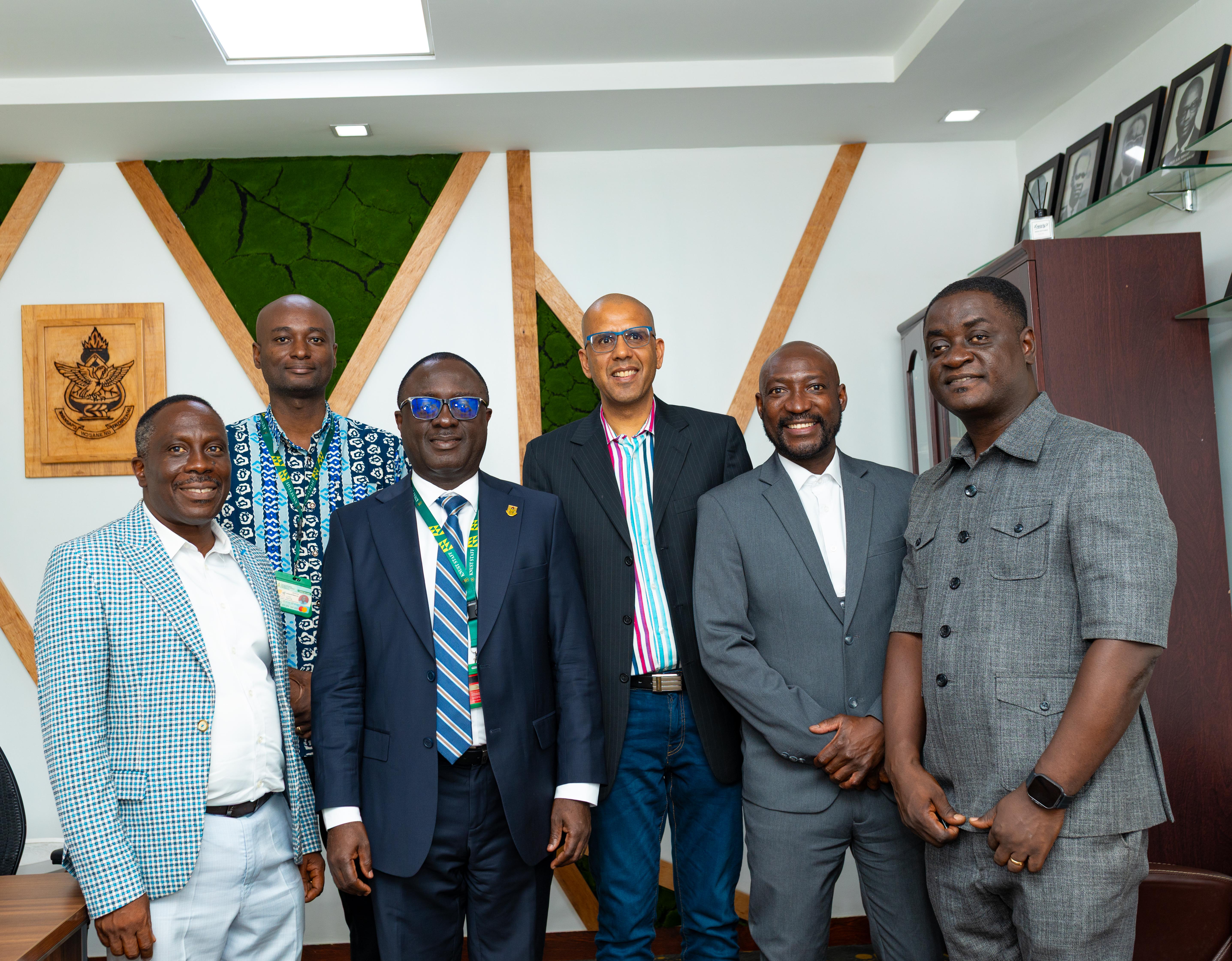
The visit also created an opportunity for broader institutional engagement. The Learning Curve team held discussions with the Director of UITS and the Director of AI on possible areas of collaboration to support student capacity building in digital and AI-driven tools.
As part of the visit, the delegation also had the opportunity to meet the Pro-Vice Chancellor and the incoming Vice Chancellor of KNUST. They further visited the University’s Data Centre to gain insight into the University’s digital infrastructure and its role in supporting teaching, learning, research and innovation.

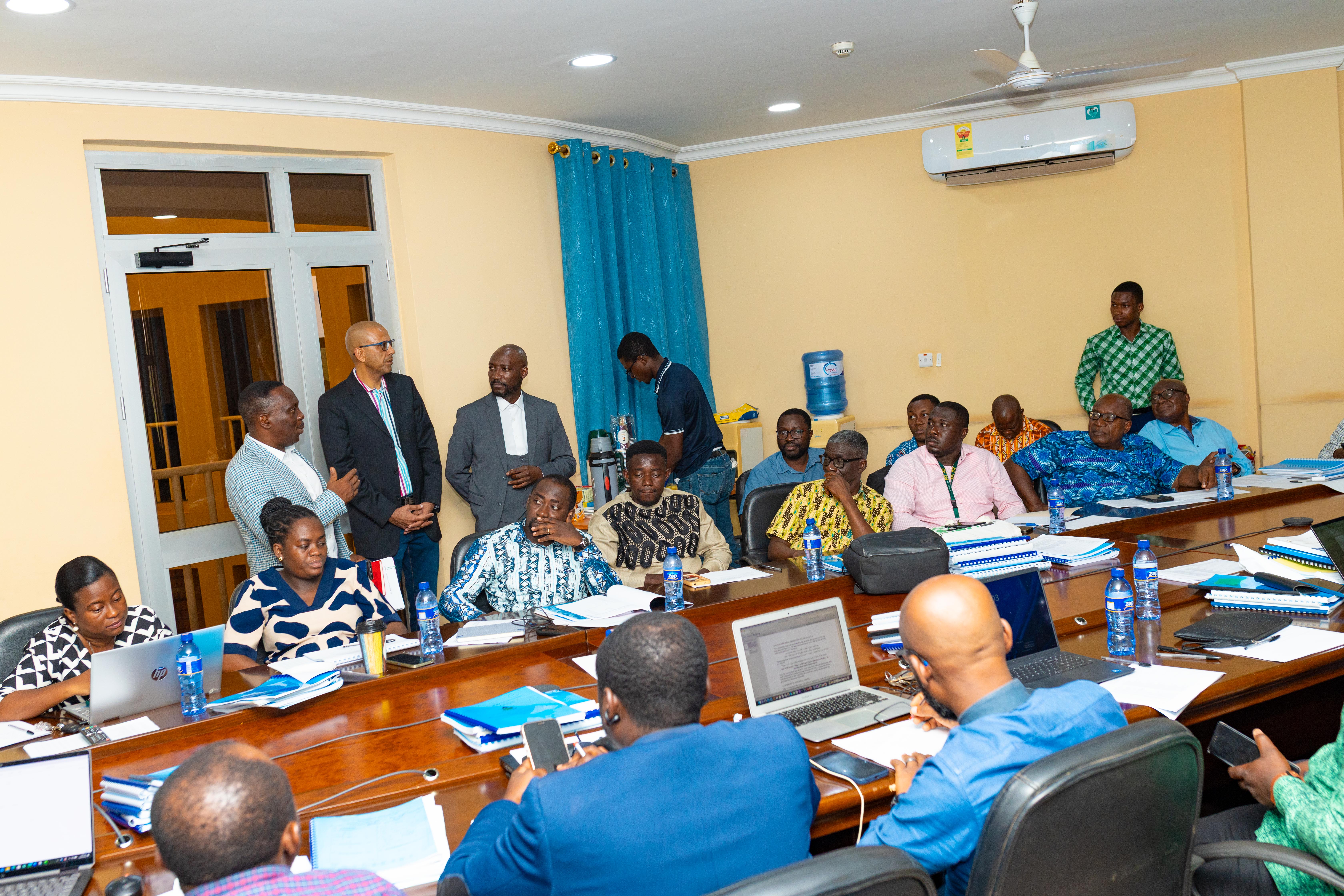
The engagement reflects RWESCK-KNUST’s commitment to digital transformation, innovation and the integration of emerging technologies into higher education and research. Through partnerships such as this, the Centre continues to position its researchers, staff, faculty and students to respond effectively to the evolving demands of education, research and professional practice in the digital age.


